HDD TOOLING
First tell us your horizontal directional drilling rod size, so we can show you all available products.
Let's find your part.
ALL PRODUCTS ()

PILOT BIT APPLICATION CHART
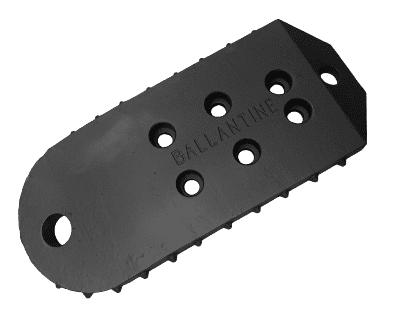
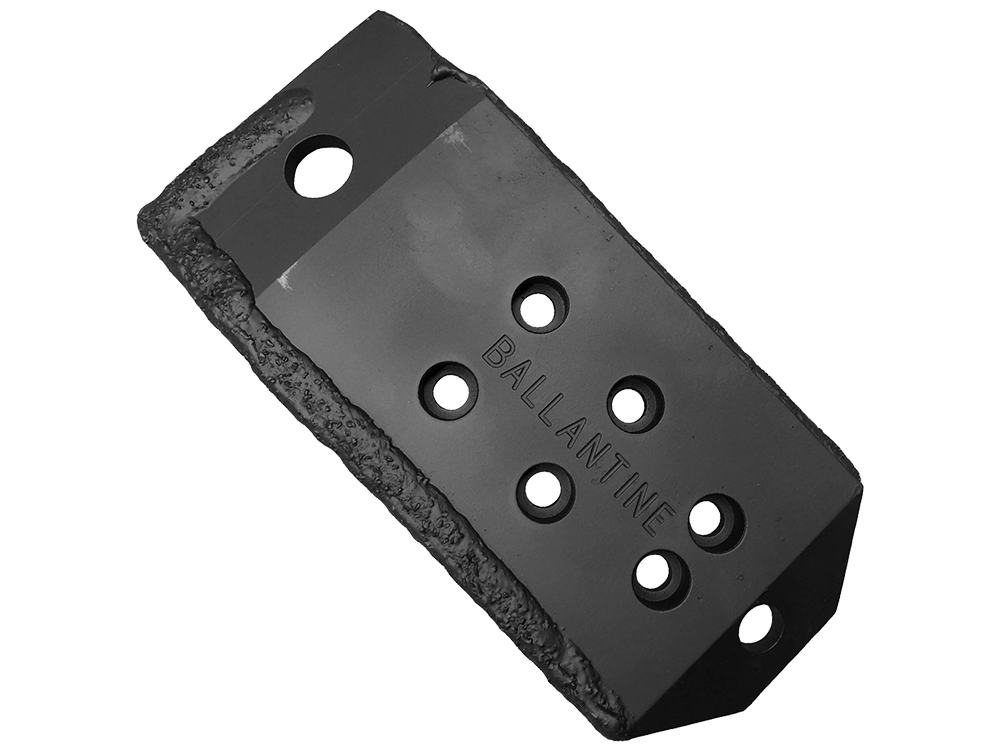
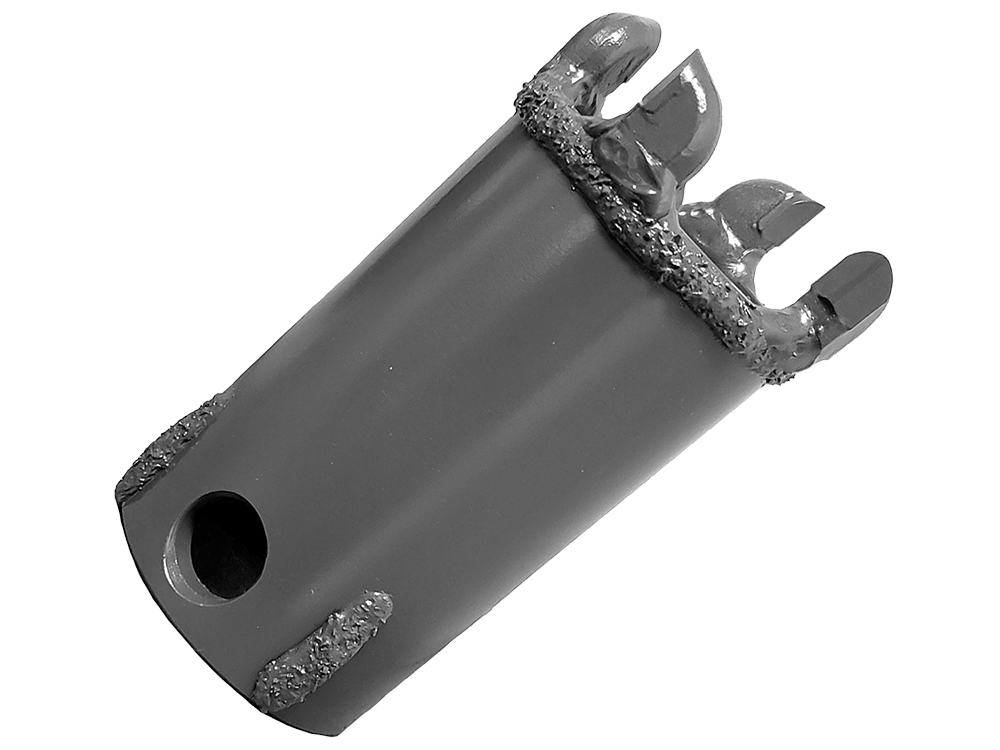
Ballantine offers a comprehensive line of HDD pilot bits that, when matched correctly to the specific ground application, will maximize your drill rig’s production capabilities.
| Soil Type | |||||||
|---|---|---|---|---|---|---|---|
| Sandy | Light | Medium | Hard | Rocky | Soft Rock | ||
 | Duck Bill | ||||||
 | Ballantine Bulldog | ||||||
 | Tough Bit | ||||||
 | Power Tip | ||||||
 | Steep Taper | ||||||
 | Bulldog Taper | ||||||
 | Hurricane Taper | ||||||
 | Razorback | ||||||
Ground Condition Definitions
- Sandy: Loose Sand, Sandy Loams or any soil that is predominately comprised of sand
- Light: Loams, Clay, Silt, Soft to medium soils that contain moisture
- Medium: Consolidated Loams & Clays, Semi-compacted soils
- Hard: Hardpan, Gumbo, Compacted Soils
- Rocky: Cobble, Chunk Rock, Gravel, Glacial Till (any non-consistent type of rock)
- Soft Rock: Caliche, Slate, Soft Limestone, Sandstone, Shale’s, Certain Corral (0-9,000 psi)
*The above chart is designed as a reference guide only. Soil conditions often vary though out a pilot bore which may affect actual performance in the field. Contact your local Ballantine dealer or Ballantine direct for specific recommendations regarding soil conditions and pilot bit selection.
HDD TOOLING FAQ
Which pilot bit should I use for my soil conditions?
Pilot bit selection depends on your ground conditions. Check out our Pilot Bit Brochure for a detailed soil type chart. Here’s a quick overview:
- Duck Bill works best for soft and sandy soils with ultimate steerability.
- Steep Taper economical option for rocky and highly compacted soils.
- Bulldog Taper semi aggressive taper tip good for compacted soils and soft rock.
- Ballantine Bulldog the broad tip provides steerability, the carbide cutters provide durability in hard soil and abrasive conditions.
- Tough Bit the bit’s design provides optimum impact resistance and steering durability in hard and rocky soil.
- Power Tip the rounded tip with carbide buttons provides smooth steering in hard-packed soils and clay.
- Hurricane Taper delivers improved penetration in hard and rocky ground.
- Razorback is our most aggressive bit, featuring an extreme taper for ultimate penetration in soft rock and rocky conditions.
How do I identify which pilot bit I need?
Pilot bit part numbers tell you everything you need:
- Drill manufacturer and model compatibility
- Bit thickness and hole pattern
- Bit style (Duck Bill, Hurricane Taper, Razorback, etc.)
- Soil condition
- Width of cut
For example, a part number like D65DH40 specifies a Ditch Witch-compatible Duck Bill bit with specific dimensions. If you know your current bit’s part number, we can match it exactly. If not, contact us with your drill’s make and model and we’ll identify the right bit.
When should I replace my pilot bit?
Unlike trencher parts that wear gradually, HDD pilot bits typically break from unseen underground obstacles rather than wear out. Replace your pilot bit when carbide cutters are damaged, broken, or missing, when the bit body shows cracks or structural damage, or when you notice reduced drilling performance or difficulty steering. Regular inspection helps you identify damage before it affects your bore path or causes downtime.
Do I need different pilot bits for different horizontal directional drilling projects?
Yes. Different ground conditions require different pilot bit designs. Keep multiple bit styles on hand if you work in varied terrain. A Duck Bill for sandy soil won’t perform well in rock, and a Razorback designed for rocky ground will be overkill in soft soil. Having the right bit for your conditions improves drilling efficiency, maintains better steering control, and extends bit life.
Do I need to know rod size to order HDD parts?
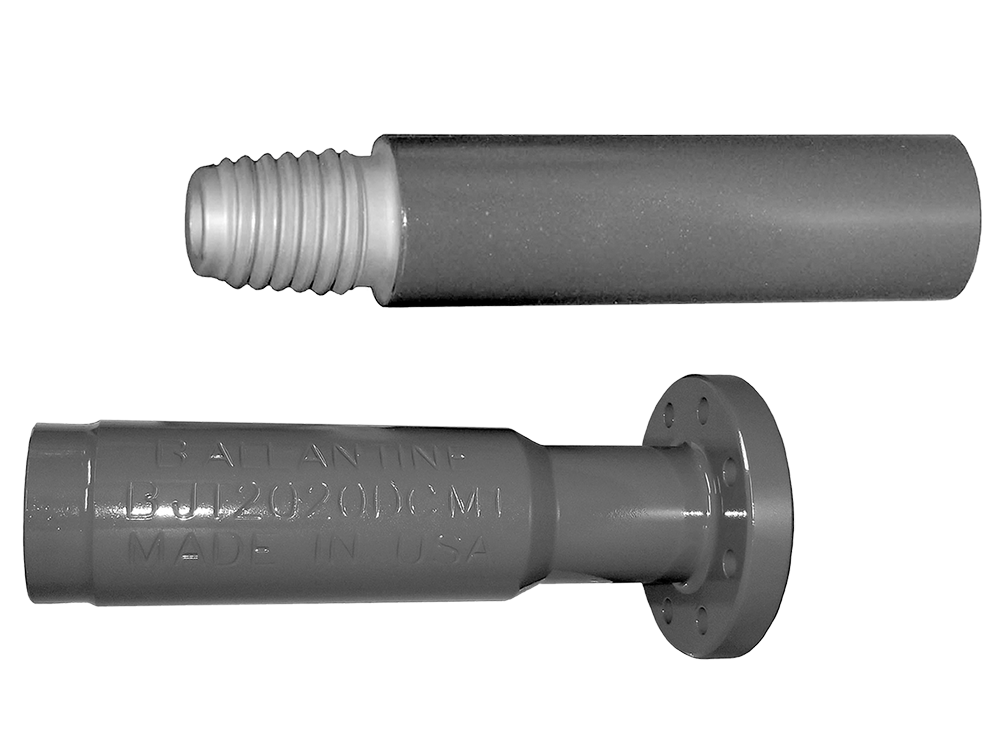
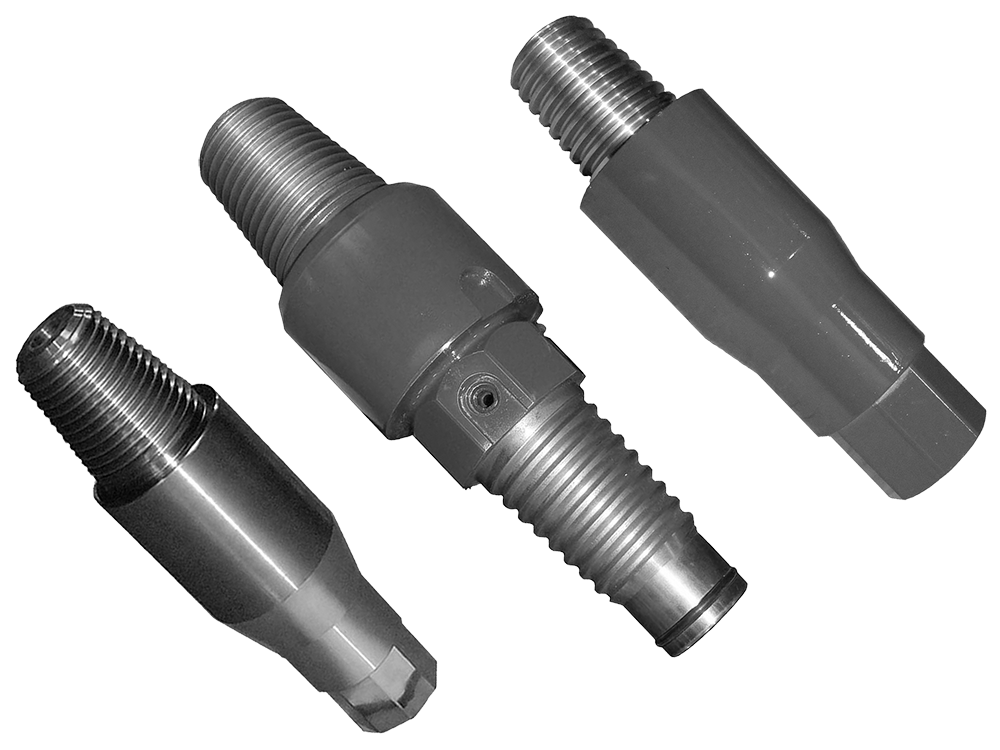
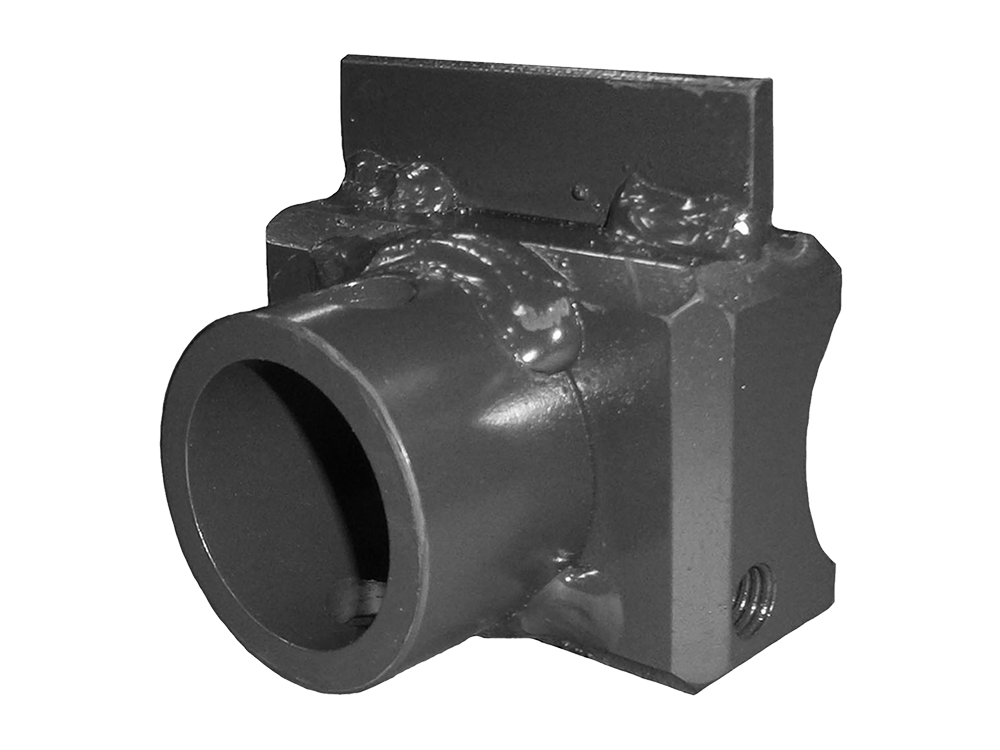
Yes. Your drill rod size determines compatibility for vise jaws, drive chucks, sub savers, and other drill string components. Check your equipment specifications or measure your existing drill rod diameter. It’s important to provide an accurate rod size when ordering to make sure you purchase parts that fit your drill properly. When in doubt, contact our team for help finding the right part.
What’s the purpose of a sub saver?
Sub savers protect your drill rod threads from wear during the drilling process. They install between drill rods and extend the life of your more expensive drill string by taking the wear that would otherwise damage rod threads. Replacing an inexpensive sub saver is far more cost-effective than replacing damaged drill rods.
How do I know when to replace my vise jaws?
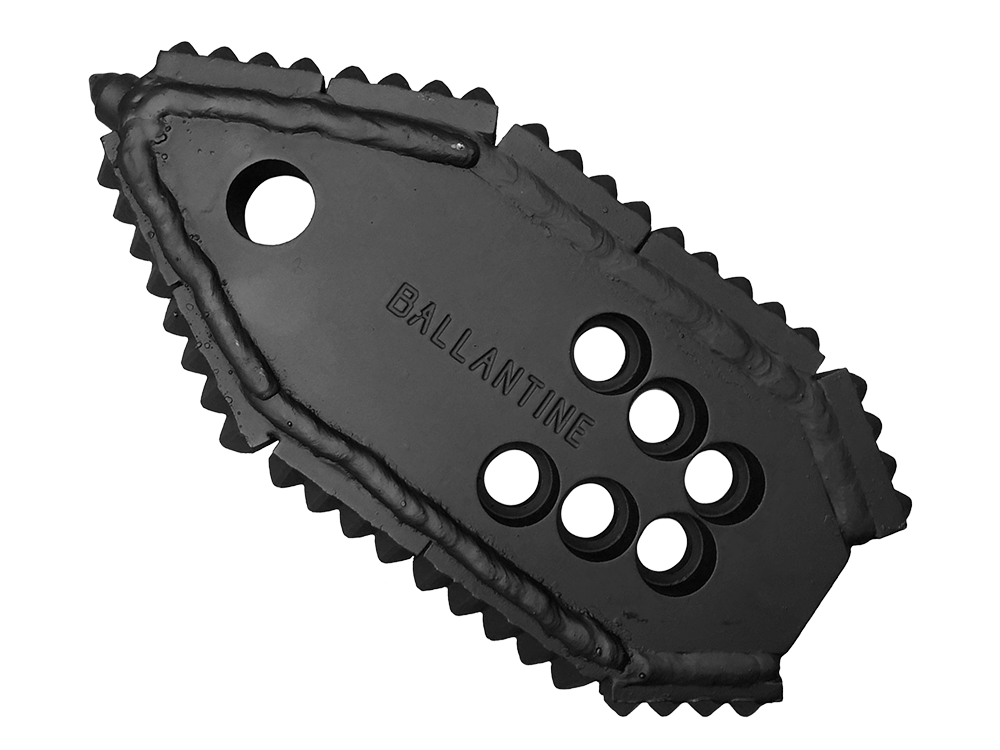
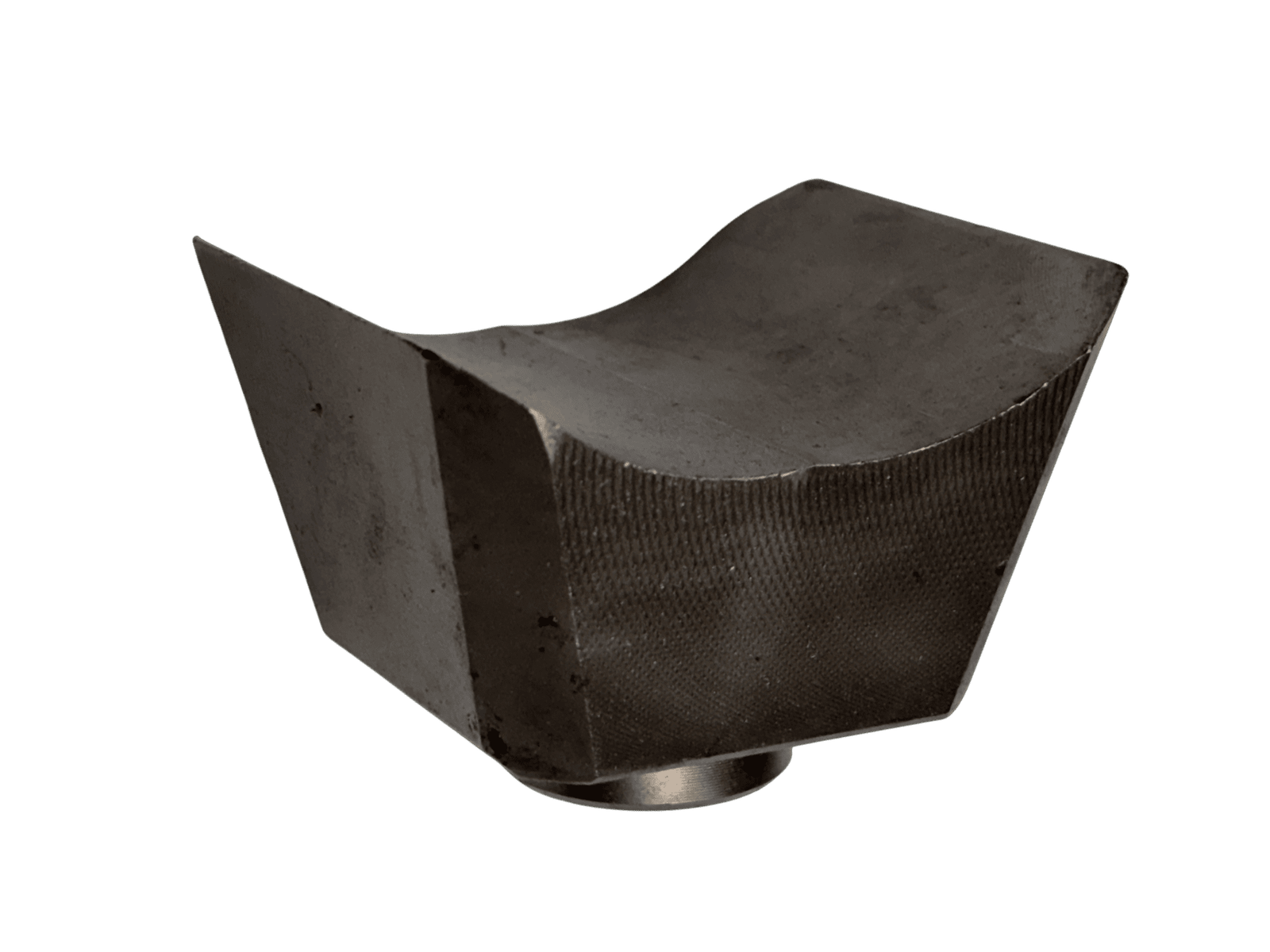
Replace vise jaws when you notice worn gripping surfaces, reduced holding power during drilling, or visible damage to the jaw teeth. Worn vise jaws can slip during drilling, potentially causing damage to your drill rods. Regular inspection and timely replacement prevent rod damage and maintain secure grip throughout your drilling operation.
